Commercial gardeners for Ponders End shops near Jubilee Park
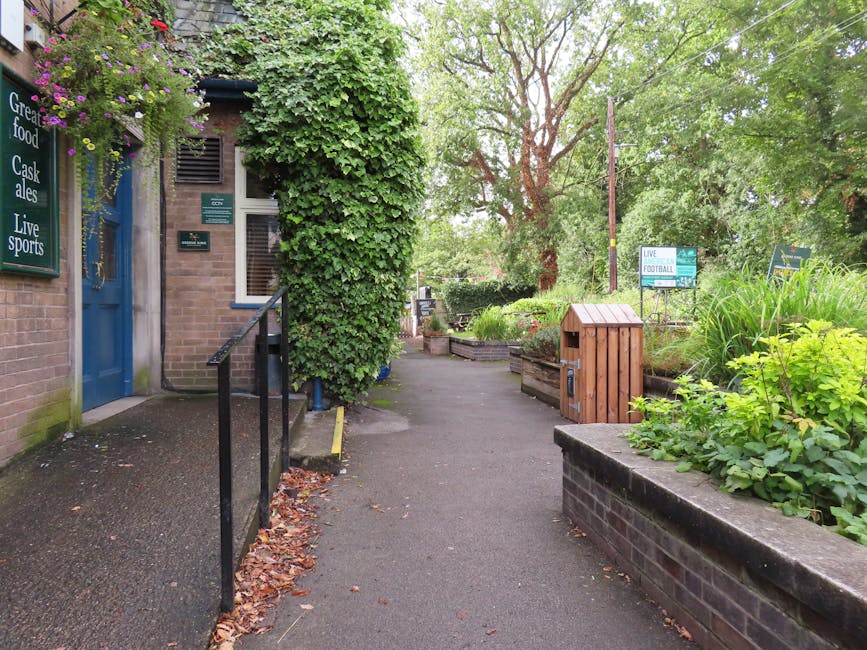
Shops near Jubilee Park do not have the luxury of a "good enough" frontage. People notice the entrance, the planters, the path edges, the hedges, and even that one awkward patch of tired grass by the kerb. That is why Commercial gardeners for Ponders End shops near Jubilee Park matter so much: they help local businesses present a smart, cared-for image without turning the owner's week into another maintenance headache. In practice, the right commercial garden care keeps your premises cleaner-looking, safer underfoot, and much easier to manage through wet spells, windy days, and the usual day-to-day wear that shopfront planting gets in an urban setting.
This guide breaks down what commercial garden services actually do, how they work around retail premises, and what to look for if you want a reliable, tidy, low-fuss result. If you are comparing options, thinking about regular upkeep, or simply trying to understand what "commercial" really adds beyond standard garden maintenance, you are in the right place.
Why Commercial gardeners for Ponders End shops near Jubilee Park Matters
Retail frontage is part of the customer experience. Before anyone reads a signboard or steps inside, they have already formed an impression from the outside. A neat entrance, trimmed hedges, weed-free borders, and well-kept planters tell people a shop is organised and paying attention. A scruffy verge says something else entirely, and not much good.
For shops near Jubilee Park, the local setting adds another layer. There is footfall from walkers, parents, dog owners, and local customers moving between nearby streets and green space. That means your frontage is seen often, sometimes from very close range, and often by the same people more than once a week. You do not get many chances to impress. The garden bed that looks fine in the rain on Monday can look messy by Friday if it is not kept in shape. Let's face it, urban planting does not look after itself.
Commercial gardening is also about consistency. A retail business usually needs the same standard every visit, not just a one-off tidy-up. That is where a commercial service differs from occasional domestic help. It is planned, repeatable, and designed around business hours, safety, public access, and presentation. If you already rely on wider upkeep, pairing this with regular garden maintenance or broader gardening services can create a much more reliable routine.
There is also a practical side that people sometimes overlook: the cost of neglect. Overgrown hedges, weeded joints, slippery paving edges, and blocked drains can become bigger jobs later. In a retail environment, small issues spread quickly because many people use the space. A little trimming now can save you from a bigger, messier job later on. That is not glamorous, but it is true.
How Commercial gardeners for Ponders End shops near Jubilee Park Works
The process usually starts with a site visit or a detailed conversation about the property. A commercial gardener needs to understand what kind of business you run, how customers approach the building, how much planting you have, and whether there are any awkward bits such as narrow access, steps, shared frontage, or nearby parking bays. A shop with a couple of raised planters needs a very different plan from one with hedging, lawn edging, and a small rear yard. It sounds obvious, but the best results come from that early bit of listening.
Once the layout is understood, the gardener can build a schedule. For some shops that means weekly or fortnightly visits. For others, it is a seasonal plan with more intensive work in spring and summer and lighter touch-ups through autumn and winter. Common tasks include:
- lawn mowing or edging where there is visible grass frontage
- weed control in beds, paving joints, and borders
- hedge trimming and shape maintenance
- pruning shrubs and removing dead material
- refreshing planters and seasonal planting
- leaf clearance and general tidy-ups
- patio and hard-surface cleaning around the entrance
If you want a more detailed trim-focused visit, it can help to pair the schedule with hedge trimming in Ponders End or even specific surface work such as patio cleaning. These are the small details that make a frontage feel looked after rather than simply "not terrible".
Good commercial gardeners also think around the business day. For example, they will avoid noisy cutting at the wrong time, work around deliveries, keep walkways clear, and leave the site tidy when they go. If there is planting near entrances, they may recommend lower-mess species or more durable containers. In other words, the job is not only horticultural. It is operational too.
Key Benefits and Practical Advantages
The obvious benefit is appearance, but there is more going on under the surface. Commercial garden care supports the practical running of the business in ways that become very noticeable once they are missing.
- Better first impressions: Customers are more likely to trust a premises that feels cared for and orderly.
- Reduced trip and slip risk: Clear paths, trimmed edges, and cleaned surfaces are easier to walk on, especially in wet weather.
- Less disruption for staff: Planned maintenance is easier to manage than emergency tidying before an inspection or promotion.
- Longer life for planting: Regular care helps shrubs, hedges, and containers stay healthy instead of becoming patchy and exhausted.
- Better seasonal resilience: Weather changes are less damaging when a site is already being monitored and adjusted.
- Improved brand presentation: Your frontage can support the character of the business, whether that is polished, relaxed, premium, or community-focused.
For businesses on a tighter budget, there is also an efficiency angle. Choosing the right maintenance pattern can be cheaper over time than reacting to problems. If a frontage is designed with manageable planting from the start, using ideas from budget-savvy low-maintenance garden ideas can help reduce ongoing work without making the site feel bare.
And if the site gets battered by weather, that matters too. A shop facing open wind or draughty corners may need tougher planting choices and more regular checks. In those cases, reading about wind control for healthier planting can give you a better sense of why some frontages hold up well and others fade fast.
Key takeaway: good commercial gardening is not just "keeping things tidy". It is a small but important part of how a shop looks, functions, and feels to the people passing by every day.
Who This Is For and When It Makes Sense
This service is a strong fit for shop owners, landlords, managing agents, franchise operators, and tenants responsible for front-of-house presentation. It is particularly useful where the garden or planted area is visible from the street and contributes to commercial identity. Think convenience shops, salons, cafes, specialist retailers, independent services, and premises with seating or display space outside.
It also makes sense if your business has any of these issues:
- customers regularly comment on the front entrance
- plants are being damaged by weather or foot traffic
- weed growth is making the frontage look neglected
- staff are too busy to maintain the outside space properly
- the site needs attention before openings, inspections, or seasonal trade peaks
- you have tried reactive clean-ups, and they never quite stick
Some shops only need light attention. Others need a more involved plan with hedges, borders, hard landscaping, and maybe even tree-related work if overhanging growth is causing shade or debris. When that happens, supporting services like tree surgery or landscaping may be relevant alongside ongoing care.
If the frontage is mostly containers and raised planters, the business may be better served by a rotation of seasonal pots, drought-tolerant planting, and tidy edge work. That is where a practical eye helps. A good commercial gardener will not just plant something pretty and walk off. They will think about watering, access, litter, wind, dog traffic, and how the space actually lives day to day.
Step-by-Step Guidance
1. Walk the site as a customer would
Start at the pavement and look at the shop from the outside in. What do people see first? What looks tired, hidden, overgrown, or unbalanced? A five-minute walk can reveal the problem areas faster than a long discussion indoors. If you can, take a few photos at different times of day. The morning light and the late-afternoon shadow will tell different stories.
2. Decide what matters most
Not every frontage needs the same treatment. Some businesses want a crisp, formal look. Others want soft planting that feels welcoming and local. Be clear about priorities: cleaner entrance, lower maintenance, better seasonal colour, improved visibility, or stronger branding. Pick the top two. If you try to optimise everything at once, the plan gets muddy.
3. Choose the right maintenance rhythm
Weekly, fortnightly, monthly, seasonal, or a blend of these options can all work. A busy high-footfall site might need more frequent visits, while a smaller frontage with durable planting may only need regular checks and periodic tidying. The main thing is consistency. Random visits solve random problems. Routine solves routine problems.
4. Match planting to the site
Frontages near busy roads or exposed corners usually need sturdier planting than sheltered courtyards. Consider ground cover, evergreen structure, and low-mess species that are easy to keep in shape. If the site has awkward bare patches, ground cover ideas from these ground cover choices can help reduce weed pressure and keep the look cohesive.
5. Build in safety and access checks
Before any work begins, confirm where staff, customers, bins, bikes, or delivery vehicles move through the space. Commercial gardening should not create a hazard while solving one. A tidy site that blocks a disabled access route is not a tidy site at all. That is the kind of thing that gets missed when people rush.
6. Review after the first month
After a few visits, look at what is actually changing. Is the frontage easier to keep tidy? Are weeds returning quickly? Are there drainage issues after rain? A good service should adapt, not just repeat the same checklist every time. That adjustment is where the real value sits.
Expert Tips for Better Results
In our experience, the best shopfront results come from simple, repeatable choices rather than dramatic transformations. A few sensible decisions usually outperform a big, complicated redesign. Strange but true.
- Use structure first, colour second: Evergreen shape, edging, and clean lines keep a frontage readable all year. Seasonal colour is the finishing touch.
- Limit fragile planting at pedestrian pinch points: Anything near regular foot traffic gets knocked, brushed, or dropped on. Hardier plants usually win.
- Keep containers in scale: Tiny pots on a wide frontage look lost; oversized planters can overwhelm small entrances. Balance matters.
- Choose plants for maintenance, not just appearance: A beautiful plant that constantly fails in wind, shade, or dry conditions is not a bargain.
- Plan for winter, not only summer: Many shopfronts look fine in June and a bit sad by February. A seasonal plan prevents that slump.
If you want a more interesting frontage without creating extra maintenance, container-focused planting can be a smart move. The practical side of that is covered well in container gardening ideas. Likewise, if you have shaded corners, evergreen climbers for dim spaces can help soften awkward walls and fences.
One more thing: keep a record of what is planted and when it was last pruned or refreshed. It sounds overly neat, maybe even a bit nerdy, but it saves time later. Particularly when staff change, or when the site is handed between landlord and tenant. Those little notes help.
Common Mistakes to Avoid
Retail frontage maintenance goes wrong in predictable ways. The good news is that most of them are preventable.
- Choosing style over durability: Gorgeous planting that cannot survive the site conditions will become a recurring problem.
- Waiting until the frontage looks bad: By then, the work is harder and more expensive. Maintenance works best before things slide.
- Ignoring the path edges and hard surfaces: A neat border beside a dirty slab still looks untidy.
- Overcrowding planters: Too many species in one container often means uneven growth, water stress, and awkward pruning later.
- Leaving access decisions until the day of the visit: That leads to delays, blocked entrances, and frustrated staff.
- Assuming one seasonal tidy-up is enough: For visible commercial spaces, it usually is not.
Another common issue is forgetting about the people who actually use the site. A frontage should not only look neat from the pavement; it should feel easy to move through. That is especially true for older customers, parents with buggies, and anyone carrying shopping. The best design is the one that quietly works.
Tools, Resources and Recommendations
You do not need a warehouse full of kit to keep a shopfront in shape, but a professional commercial gardener should have the right tools for safe, efficient work. That usually includes reliable cutters, pruning tools, edging kit, clear-up equipment, and appropriate waste handling supplies. If you are curious about what competent garden kit looks like, this overview of useful garden tools is a sensible reference point.
For business owners, the most useful "resources" are often less glamorous:
- a clear maintenance schedule
- site access instructions
- a list of priority zones
- notes about watering, deliveries, or opening hours
- before-and-after photos for comparing progress
If the shop has a small sitting area, a frontage wall, or a display edge, it may also be worth thinking about practical upgrades such as decking services in Ponders End or even subtle seating-zone improvements using ideas from creating better seating areas. That is more relevant for cafes and hospitality-led premises, of course, but the principle is the same: small improvements can change how long people stay and how comfortable the space feels.
If your business is looking for a wider refresh, a combined approach can be useful. Some sites need regular mowing or lawn care, others need border work, and some need a full tidy-up after neglect. The point is not to overcomplicate it. The point is to choose the right level of work for the site, and no more than that.
Law, Compliance, Standards, or Best Practice
For commercial premises, safety and access matter just as much as appearance. Exact requirements depend on the site and the work being carried out, so it is sensible to treat this as a best-practice discussion rather than a legal lecture. A good provider should operate with clear attention to public safety, secure working methods, and sensible housekeeping.
In practical terms, that means:
- keeping walkways clear while work is underway
- managing tools and equipment so they do not create trip hazards
- avoiding debris left in customer areas
- working in a way that respects staff, visitors, and neighbouring properties
- using sensible precautions around height, cutting, and waste removal
It is also wise to check that any contractor has appropriate insurance, written terms, and a clear process for health and safety. That is simply good commercial practice. If anything goes wrong on a busy site, everyone benefits from having the basics already in place. For a fuller overview, you can review insurance and safety and the company's health and safety policy.
Other useful trust signals include transparent pricing and quotes, clear terms and conditions, and a straightforward complaints procedure. Those pages matter because they show the business is set up to deal with commercial work properly, not just casually.
Options, Methods, or Comparison Table
Different sites need different approaches. The table below gives a simple way to think about the main options.
| Approach | Best for | Typical strengths | Watch-outs |
|---|---|---|---|
| One-off tidy-up | Overgrown or newly acquired premises | Fast visual improvement, good for a reset | Needs follow-up or the same problems return |
| Routine maintenance | Active shopfronts with regular footfall | Consistent appearance, easier budgeting | Requires a dependable schedule |
| Seasonal planting plan | Frontages that want colour without constant redesign | Better year-round interest, easier refreshes | Needs planning around weather and exposure |
| Full frontage redesign | Sites needing a stronger brand presence or layout change | Can transform the customer impression | Higher upfront effort and more decisions |
For many shops near Jubilee Park, routine maintenance with seasonal refreshes is the sweet spot. It keeps the frontage tidy without making the business feel like it is constantly in a building site. That said, if the space is badly neglected, a one-off reset may be the right starting point. You do not have to begin with perfection. Just begin somewhere sensible.
Case Study or Real-World Example
Imagine a small independent shop with a narrow frontage, two planters by the door, and a strip of soil that keeps sprouting weeds every time the weather turns mild. The owner does their best, but deliveries, customers, stock work, and opening hours leave little time for outside upkeep. After a few months, the entrance starts to look tired. The plants are still alive, technically, but the whole thing feels a bit apologetic.
A commercial gardener steps in and starts with a simple review. The planters are too dense, so half the planting is removed and replaced with hardier species. The soil is refreshed. Edges are cleaned. The weed-prone strip is treated and then covered with a more manageable planting approach. The hedging nearby is trimmed back so the doorway feels open again. Nothing dramatic. No grand makeover, just a cleaner system.
A few weeks later, the shop looks brighter from the street. Staff notice that litter is easier to spot and remove. Customers stop brushing past the same overgrown stems at the doorway. The owner no longer needs to panic-tidy on Friday afternoons. Simple, but genuinely useful. This is the sort of improvement that makes a business feel calmer in daily life, which matters more than people admit.
For neglected sites, the first step is sometimes more about recovery than beauty. If that sounds familiar, it may help to read about transforming a neglected garden. The mindset is similar: clear the mess, stabilise the space, then build something more maintainable.
Practical Checklist
Use this checklist before booking or reviewing a commercial garden service for a shopfront near Jubilee Park:
- Walk the site from the pavement and identify the main visibility issues.
- Note any access restrictions, opening hours, or delivery schedules.
- Decide whether the priority is tidiness, safety, branding, or low maintenance.
- Check whether hedges, trees, planters, or hard surfaces all need attention.
- Confirm how often the site should be maintained.
- Ask how waste and debris will be handled after each visit.
- Make sure the plan protects customer access and staff movement.
- Review whether seasonal planting or structural planting would suit the site better.
- Ask for clear communication about timing, scope, and any changes.
- Recheck the frontage after the first few visits and adjust if needed.
If you are also thinking about the wider appearance of the business, a few extra touches can help, such as better screening, cleaner boundaries, or a sharper edge between paved and planted areas. Services like fencing can support that where appropriate, especially on side boundaries or shared rear spaces.
Conclusion
Commercial gardeners for Ponders End shops near Jubilee Park are about more than simply cutting things back. They help a business present itself properly, keep outdoor areas safe and tidy, and reduce the hidden drag of constant small maintenance problems. In a busy local setting, that consistency is worth a lot.
The best approach is usually practical, not flashy. Start with the areas customers actually see, choose planting that suits the site, and build a maintenance rhythm that staff can live with. If you get that right, the frontage becomes one less thing to worry about, and that is no small win.
Get a free quote today and see how much you can save.
To talk through your shopfront needs, compare maintenance options, or arrange a site review, reach out through the team's contact page when you are ready. A tidy entrance can change the whole tone of a business, honestly. It really can.
Frequently Asked Questions
What do commercial gardeners do for shopfronts?
They handle the outdoor maintenance that keeps a business frontage clean, healthy, and presentable. That can include hedge trimming, pruning, weed control, lawn care, patio cleaning, planting refreshes, and general tidying around entrances and display areas.
How often should a shop near Jubilee Park be maintained?
It depends on footfall, planting type, and exposure, but many visible shopfronts benefit from weekly or fortnightly attention. Lower-maintenance sites may only need seasonal visits plus occasional checks.
Is commercial gardening different from normal garden maintenance?
Yes. Commercial work usually has to account for public access, business hours, customer presentation, and a more consistent finish. The job is as much about operational reliability as it is about gardening.
Can commercial gardeners help with a neglected frontage?
Absolutely. A neglected frontage often needs a reset first, then a practical maintenance plan to stop the same issues coming back. That can include clearing weeds, reshaping hedges, refreshing planting, and simplifying the layout.
What are the biggest benefits for small shops?
The main benefits are better first impressions, safer walkways, less staff time spent on ad hoc tidying, and a frontage that supports the shop's brand rather than working against it.
Do commercial gardeners work around opening hours?
They should, yes. Good commercial services plan around customers, deliveries, and staff movement so the business can carry on without unnecessary disruption.
What if the frontage is mostly containers rather than beds?
Container-based frontages can work very well, especially if the planting is chosen for durability and ease of care. They are often a smart choice where space is tight or the site needs a flexible seasonal display.
How do I know whether I need hedge trimming or a full maintenance plan?
If the main issue is one overgrown hedge, targeted trimming may be enough. If the whole frontage looks tired or inconsistent, a broader maintenance plan is usually the better route.
Are there safety or insurance checks I should ask about?
Yes. It is sensible to ask about insurance, health and safety procedures, public-access awareness, and how debris or waste is handled. Those checks are standard good practice on commercial premises.
Can commercial gardeners improve hard surfaces as well as planting?
They can. Many commercial garden services include patio cleaning, edging, and general surface tidy-up, which makes a big difference to the overall appearance of the shop frontage.
What should I prepare before getting a quote?
It helps to know your opening hours, site access, current problem areas, and the result you want. A few photos and a short note about priorities make the quoting process much smoother.
Is seasonal planting worth it for a small shop?
Usually, yes, if the frontage is highly visible. Seasonal planting adds interest and helps the site feel alive, but it works best when balanced with structure and a realistic upkeep plan.
And if you are still weighing it all up, that is completely normal. A good frontage plan is part horticulture, part common sense, and part knowing what your customers see first. Get those pieces in the right order, and the rest tends to follow.