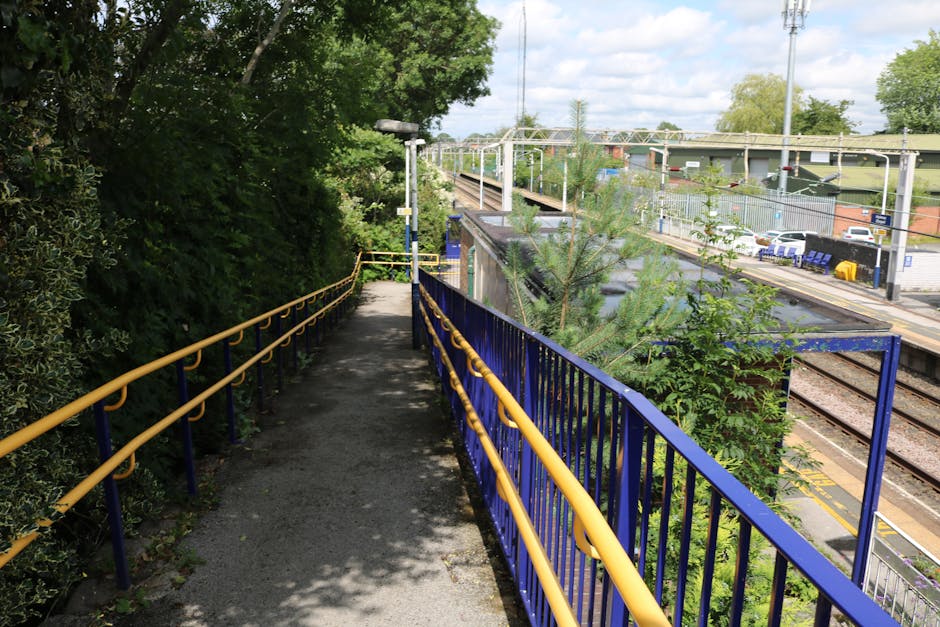
Gardeners Ponders End Guide to Station Forecourt Gardens
Station forecourt gardens do a lot of quiet heavy lifting. They greet commuters, soften hard paving, guide footfall, and make a first impression before anyone has even looked up from their phone. In a place like Ponders End, where local streets, transport links, and everyday movement all meet, a well-kept forecourt can change how a station feels in a matter of weeks. This Gardeners Ponders End guide to station forecourt gardens is here to show what works, what to avoid, and how to keep these spaces looking tidy without making them feel over-designed or fussy.
Truth be told, station gardens are a little different from ordinary front gardens. They need to be attractive, yes, but also robust, safe, low-maintenance, and able to handle a fair bit of wear and tear. That means careful plant choice, sensible layout, and regular upkeep. If you are planning improvements or managing an existing forecourt, this guide walks through the practical side in plain English.
Table of Contents
- Why station forecourt gardens matter
- How station forecourt gardening works
- Key benefits and practical advantages
- Who this is for and when it makes sense
- Step-by-step guidance
- Expert tips for better results
- Common mistakes to avoid
- Tools, resources and recommendations
- Law, compliance, standards, and best practice
- Options, methods, and comparison table
- Case study or real-world example
- Practical checklist
- Conclusion
- Frequently asked questions
Why Gardeners Ponders End Guide to Station Forecourt Gardens Matters
Station forecourt gardens are more than decorative borders. They shape how a transport hub functions day to day. A good planting scheme can help define entrances, calm visual clutter, reduce dusty-looking hardscape, and make the whole area feel cared for rather than forgotten. That matters because people notice neglect fast. One weedy bed, one broken planter, and suddenly the whole place feels a bit tired.
For local stations, forecourt planting also supports identity. It gives a place personality without getting in the way of movement. You want something that feels welcoming at 8:00 in the morning and still tidy at 7:30 in the evening after a damp British day. The best schemes are quietly resilient. They do not shout. They just work.
There is also a practical side. Plants can help break up wind, soften glare from paving, and reduce the harshness of built surroundings. If you are dealing with exposed edges, awkward corners, or pedestrian pinch points, planting can make those spaces feel less stark. For broader inspiration on hardy planting choices, you may find these ground cover ideas for UK gardens useful, especially where you need coverage without constant fuss.
And let's face it, people feel differently about places that look maintained. A forecourt with clipped edges, healthy soil, and tidy seasonal planting creates confidence. It says someone is paying attention.
How Gardeners Ponders End Guide to Station Forecourt Gardens Works
At a basic level, station forecourt gardening combines planting design, routine maintenance, and practical site management. You are not just choosing flowers. You are balancing pedestrian flow, visibility, drainage, safety, and durability. Every bed, border, planter, and shrub has to earn its place.
The process usually starts with a site review. That means looking at sun and shade, wind exposure, foot traffic, existing hard landscaping, nearby lighting, water access, and how people move through the space. A station forecourt is often exposed in odd ways: a gust funnel near an entrance, a hot reflective patch beside paving, or a shaded corner that never properly dries out. These details matter more than people think.
After that comes the planting concept. In station settings, the best choices are often structured, repeatable, and low-fuss. Think evergreen backbone plants, reliable ground cover, seasonal accents in manageable quantities, and shrubs that can handle regular pruning. If the station forecourt includes planters or raised features, container-friendly planting can be a very smart move. For that, container gardening ideas can help you think through scale and maintenance.
Then comes the maintenance rhythm. That is where many projects succeed or fail. A good design with poor upkeep will still look messy in a few weeks. By contrast, a modest scheme with strong maintenance can look excellent for years. Simple, regular tasks are usually better than dramatic seasonal overhauls. Small and steady. That's the trick.
Key Benefits and Practical Advantages
Station forecourt gardens bring together visual, operational, and community benefits. The most obvious is appearance, of course, but the less visible gains can be just as important.
- Clearer arrival experience: Planting can help define entrances and make the space easier to read.
- Better first impressions: A maintained forecourt makes the entire transport environment feel more cared for.
- Lower visual stress: Greenery softens concrete, brick, signs, railings, and fencing.
- Improved resilience: Well-chosen plants cope better with wind, drought spells, and footfall.
- Reduced maintenance surprises: Robust planting schemes are less likely to collapse into weekly firefighting.
- Seasonal interest: Carefully planned structure can keep the area interesting all year.
There is a subtle community benefit too. People tend to respect spaces that look intentional. You see it in how litter is dropped, how corners are used, how quickly small problems are reported. A tidy forecourt doesn't solve everything, but it often nudges behaviour in the right direction.
If the project is part of a wider outdoor refresh, it may be sensible to think beyond planting alone. Services such as landscaping, garden maintenance, or even patio cleaning can support the overall finish when hard surfaces and planting need to work together.
Who This Is For and When It Makes Sense
This guide is useful for a few different people. If you manage public-facing spaces, coordinate local improvements, or maintain a station-adjacent forecourt, the principles are the same: keep it practical, safe, and attractive.
It makes particular sense if you are dealing with one of these situations:
- a forecourt that currently feels bare or overhardscaped
- planting that has become patchy, overgrown, or hard to keep tidy
- spaces where wind exposure keeps knocking softer planting about
- areas with poor soil, compacted ground, or awkward drainage
- a need for more structure without blocking sightlines
- busy spaces where maintenance time is limited
It is also useful for anyone deciding between planting beds and planters, or between decorative planting and low-maintenance functional planting. In our experience, the biggest mistake is assuming the most colourful option is the best option. Not always. Sometimes the right answer is a restrained scheme that stays sharp through winter and does not need heroics every other week.
For homeowners or small-site managers who are just getting started with outdoor improvements, this beginner-friendly outdoor space guide is a handy companion read.
Step-by-Step Guidance
Here is a practical way to approach station forecourt gardens without overcomplicating the job.
- Assess the space properly. Map sun, shade, drainage, footpaths, entrances, and sightlines. Notice where people actually walk, not where you think they walk.
- Define the purpose. Decide whether the forecourt needs softness, structure, wayfinding, seasonal colour, or all four in careful balance.
- Choose resilient planting. Favour plants that tolerate wind, periodic dryness, compacted soils, and a bit of neglect between maintenance visits.
- Separate planted and trafficked areas. Use edging, low barriers, or design geometry to reduce trampling.
- Improve soil before planting. Where soil is tired or compacted, add organic matter and improve the root zone first.
- Plan for visibility. Keep entrance zones open and avoid blocking windows, signs, or security lines.
- Build in maintenance access. Leave enough room for pruning, litter pick-up, watering, and replanting.
- Set a seasonal rhythm. Schedule checks for litter, irrigation, deadheading, edging, and replacements.
That's the core of it. Not glamorous, maybe, but solid. And solid is exactly what a forecourt usually needs.
If the planting scheme will include climbers, hedging, or wind-sensitive edges, it may help to read about wind control strategies for healthy gardens and fast-growing hedge options, because exposed station environments often behave like mini wind tunnels.
A simple planting formula that often works
A useful rule of thumb is to combine three layers: structure, fill, and seasonal accents. Structure comes from evergreen shrubs or architectural plants. Fill comes from ground cover or low perennials. Seasonal accents add interest, but they should not carry the whole scheme. That way, if the seasonal plants fail or are delayed, the space still looks coherent.
Expert Tips for Better Results
Station forecourt gardens benefit from a slightly different mindset than domestic gardens. You are designing for repetition, not novelty. A few well-chosen moves can make all the difference.
- Use repetition on purpose. Repeated planting blocks feel calmer and are easier to maintain than a mixed scattergun look.
- Keep colour disciplined. Too many competing colours can make an entrance area look busy, especially under grey winter skies.
- Prioritise evergreen structure. It keeps the space looking alive in months when flowering plants are resting.
- Mulch generously. It helps suppress weeds, conserve moisture, and give the bed a finished appearance.
- Choose plants with similar maintenance needs. Mixing ultra-thirsty and drought-tolerant plants in one zone creates future headaches.
One thing people often overlook is the edge treatment. A crisp edge on a bed or planter can make a simple scheme look intentional. A messy edge can make even expensive planting look a bit, well, forgotten.
If the project needs weed control support, these weed-free garden tips are worth a look. And if budget is part of the conversation, low-maintenance garden ideas can help you keep the scheme realistic.
For a more polished public-facing feel, some forecourts also benefit from tidy topiary or restrained hedge shapes. If that sounds like your brief, this guide to hedge shapes and styles has some useful pointers.
Common Mistakes to Avoid
Most forecourt problems are predictable. That's the good news. The bad news is they still happen all the time.
- Overplanting the space. If the planting blocks movement or crowds the entrance, it stops being useful.
- Choosing fragile species. Tender plants can look lovely for a week and then struggle badly in exposed conditions.
- Ignoring drainage. A waterlogged forecourt bed is a misery. Roots suffocate, soil turns ugly, and plants decline.
- Using too many small varieties. Tiny mixed plant lists can become hard to maintain and visually restless.
- Neglecting winter structure. A scheme that only looks good in June is not enough.
- Forgetting maintenance access. If no one can reach a bed comfortably, it will soon become a problem.
- Not planning for litter and debris. Station spaces collect rubbish, leaves, and windblown bits faster than you expect.
Another easy trap: using shrubs that outgrow the space and then requiring constant cutting back. A plant that looks "perfect" at purchase can become a maintenance chore by year two. Been there, seen that, not glamorous.
Where public edges, side boundaries, or protective screens are needed, it can be sensible to consider fencing as part of the wider layout, especially if you need clear separation without making the area feel shut in.
Tools, Resources and Recommendations
The best tools for station forecourt work are the ones that save time, improve finish, and keep staff safe. You do not need a giant kit list. You need the right kit.
| Tool or resource | What it helps with | Why it matters in forecourt settings |
|---|---|---|
| Bypass secateurs and loppers | Pruning and deadheading | Keep edges tidy without rough cuts |
| Quality mulch | Weed suppression and moisture retention | Reduces visible mess and maintenance pressure |
| Soil improver or compost | Boosting weak planting beds | Helps establish resilient roots |
| Watering can or hose access | Establishment watering | New plants need consistent moisture at first |
| Edging tools | Sharp borders and clean lines | Small detail, big visual difference |
| Maintenance log | Tracking tasks and issues | Useful for repeat visits and accountability |
If you are setting up a maintenance routine from scratch, this practical tools guide is a good place to start. For long-term upkeep, professional garden maintenance support can be a sensible option where the site is busy or time-limited.
It is also worth noting that some forecourt areas do better with raised planters or container systems rather than open ground beds. That can simplify replacement planting and reduce damage from foot traffic. If you are comparing those approaches, vertical gardening ideas and container gardening inspiration can offer useful direction.
Law, Compliance, Standards, and Best Practice
Forecourt gardens in public or semi-public settings need careful handling. Exact requirements will depend on the site, ownership, and access arrangements, so it is wise to treat compliance as part of the design process rather than an afterthought.
In practical terms, that usually means considering:
- Safe movement: planting should not create trip hazards or pinch points
- Visibility: keep sightlines open where people need to see approaching pedestrians, vehicles, or signage
- Maintenance safety: staff should be able to work without awkward stretching, unstable footing, or unsafe access
- Surface condition: avoid slippery build-up from leaf litter, overwatering, algae, or poorly draining edges
- Accessibility: layouts should not make routes harder to navigate for people with mobility needs
Best practice also means using sensible operational controls: risk assessments, clear maintenance routines, and a record of checks. If a site is busy, it is often better to keep planting simple and robust rather than chasing a highly intricate design that becomes hard to manage. Nice idea on paper, messy in reality.
Where safety planning is central, the site should also align with internal procedures and any relevant public-space expectations. For a broader view of working practices, you may find the company's health and safety policy, insurance and safety information, and accessibility statement helpful to review alongside the practical garden plan.
If you are commissioning work, the paperwork matters too. Clear scope, quotes, payment terms, and service expectations keep everyone on the same page. That is exactly the boring bit that saves stress later.
Options, Methods, and Comparison Table
There is no single correct way to create a station forecourt garden. The right choice depends on exposure, budget, upkeep, and how much flexibility the site needs. Here is a simple comparison of common approaches.
| Method | Best for | Strengths | Trade-offs |
|---|---|---|---|
| Open ground beds | Larger forecourts with decent soil access | Natural look, strong planting potential | More exposed to compaction, weeds, and edge wear |
| Raised planters | Sites with poor soil or limited bed space | Better control, easier replacement planting | Can dry out faster and need structural upkeep |
| Container clusters | Compact entrances or highly flexible layouts | Fast to update, good for seasonal impact | Higher watering and replacement needs |
| Low hedge and shrub structure | Forecourts needing shape and order | Strong visual framework, year-round presence | Needs pruning discipline |
| Ground cover-led scheme | Weedy or awkward edges | Helps suppress weeds, softens hard surfaces | May take time to establish |
In many cases, the smartest solution is a hybrid. A bit of structure, a bit of ground cover, a couple of containers where flexibility helps. Simple, but not simplistic.
Case Study or Real-World Example
Imagine a modest station forecourt in Ponders End with a paved entrance, a couple of awkward beds, and exposed corners that catch wind from the open approach. The area is not huge, but it gets daily foot traffic and has to look tidy without requiring constant intervention.
A sensible redesign might use three evergreen shrubs for structure, a low ground cover to reduce bare soil, and two large containers near the entrance for seasonal changes. The beds would be edged cleanly so walking routes remain obvious. Mulch would go down after planting to help suppress weeds and keep the surface looking finished. If the site had a shaded side, a few tougher shade-tolerant plants could be introduced there rather than forcing sun-lovers into a losing battle.
Within the first season, the biggest visual change would probably come from consistency rather than drama. Repetition of plant types. Cleaner edges. Fewer gaps. Then, after a few months, the area would start to look intentional instead of patched together. That is usually when people notice. Not with a big announcement. Just a small nod and a "yes, that looks better."
If the project expanded later, the team could add a hedge line, improve adjacent surfaces, or bring in broader gardening services to keep everything aligned. For more ambitious site improvements, decking services in Ponders End or lawn care may also be relevant, depending on what surrounds the forecourt.
Practical Checklist
Use this checklist before starting or reviewing a station forecourt garden:
- Have you mapped foot traffic and kept paths clear?
- Have you checked sun, shade, wind, and drainage?
- Are the plant choices robust enough for public-facing conditions?
- Is there enough space for maintenance access?
- Have you included enough evergreen structure?
- Are the beds or planters edged neatly?
- Is weed control built into the design from day one?
- Have you planned seasonal maintenance tasks?
- Are visibility and accessibility preserved?
- Is there a clear process for reporting damage or decline?
If you can tick most of those boxes, you are in a good place. If not, don't panic. Most forecourts improve a lot once the basics are tightened up.
Conclusion
Station forecourt gardens work best when they feel calm, durable, and easy to look after. That is the real challenge, not just making them look pretty in spring. The strongest schemes balance structure with flexibility, use resilient planting, and stay practical enough for regular maintenance.
For Ponders End, that means thinking about the forecourt as a living part of the station experience. People arrive, leave, wait, rush, pause, and glance around. The garden sits in the middle of all that movement and quietly shapes how the place feels. Get it right, and the whole site lifts.
And if you are still weighing up planting ideas, maintenance support, or a fuller forecourt refresh, it is worth speaking with a local team that understands the realities of busy public-facing spaces.
Get a free quote today and see how much you can save.
Sometimes the smallest green improvements make the biggest difference. Especially in a place people pass through every day.
Frequently Asked Questions
What is a station forecourt garden?
A station forecourt garden is the planted area, planter scheme, or landscaped space around the front approach to a station. It is designed to improve appearance, guide movement, and soften hard surfaces while staying practical and safe.
Why are forecourt gardens different from normal gardens?
They deal with more foot traffic, more exposure, and more visibility. They also need to be easier to maintain, less fragile, and better at coping with public use than a private garden usually would be.
What plants work best in a station forecourt?
Hardy evergreen shrubs, tough ground cover, and low-maintenance perennials usually perform best. The exact choice depends on sun, shade, drainage, and how exposed the site is to wind and traffic.
How do you stop a forecourt garden from looking messy?
Use repetition, keep edging sharp, mulch regularly, and choose plants with similar maintenance needs. A neat framework matters just as much as the planting itself.
Is container planting better than ground beds for forecourts?
Sometimes, yes. Containers are useful where soil is poor, space is tight, or flexibility matters. Ground beds are often better for larger schemes, but containers can be easier to control.
How often should a station forecourt garden be maintained?
That depends on the design and season, but regular checks are usually essential. In many cases, light but frequent maintenance works better than infrequent heavy work.
What are the biggest mistakes to avoid?
Overplanting, ignoring drainage, choosing fragile species, and forgetting maintenance access are among the most common problems. These issues can turn a good idea into a long-term headache.
Can forecourt gardens help with weather exposure?
Yes, to a degree. The right planting can soften wind, reduce the harsh look of open paving, and create a more sheltered feel. For exposed sites, it helps to plan for wind from the beginning.
Do station forecourt gardens need to follow accessibility rules?
They should certainly be designed with accessibility in mind. Paths, entrances, and visibility must remain clear, and planting should not create obstacles or trip hazards.
How can I keep the forecourt looking good in winter?
Prioritise evergreen structure, tidy silhouettes, and hardy planting with good bones. Winter interest does not have to be flashy; it just needs to look intentional and well cared for.
What if the site has poor soil or compacted ground?
Improve the soil before planting wherever possible. If that is not enough, consider raised beds or containers, which can give you more control over the growing environment.
How do I know whether to use professional help?
If the site is busy, exposed, awkward to access, or part of a broader public-facing area, professional support can save time and reduce risk. It is often the sensible option when consistency matters.
Where should I start if the forecourt is currently neglected?
Start with a clear-up, a site assessment, and a simple plan. Remove weeds, inspect drainage, define edges, and decide which areas need structure first. Once the basics are stable, the rest becomes much easier.
How can I request help with a forecourt project?
You can begin by reaching out through the site's contact options and asking for guidance on garden design, maintenance, or a broader landscaping plan. A short conversation at the start usually saves a lot of guesswork later.